
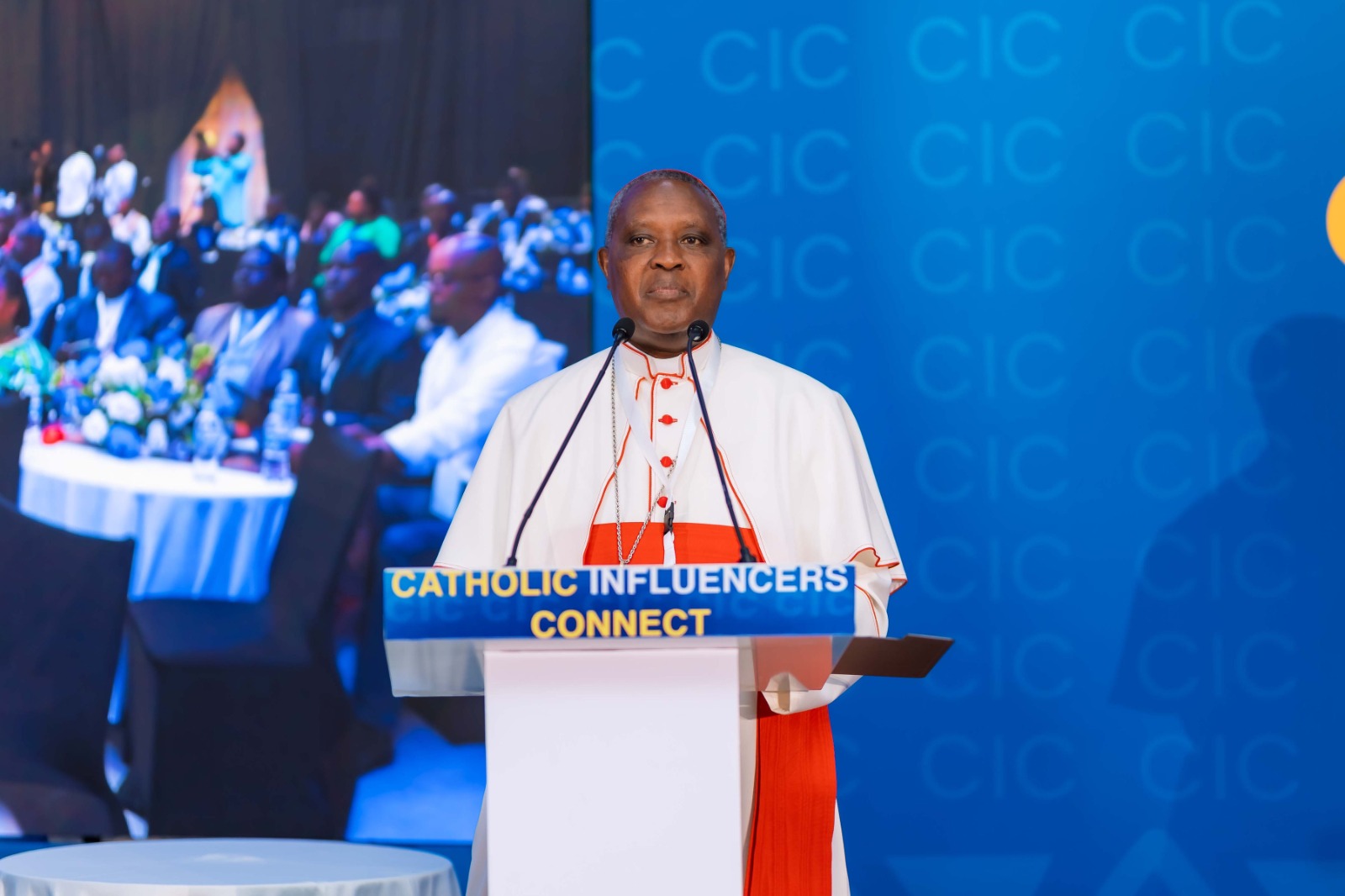
On May 1, 2026, he gathered journalists, influencers, artists, and digital creators for an event called “Catholic Influencers Connect” in Kigali.
Themed — “Uniting Digital Talents for a New Era of Evangelization” — this event marked a significant moment for the Church in Rwanda.
“The time has come,” the Cardinal said. And that simple phrase was a quiet rebuke to decades of ecclesial foot-dragging.
The car analogy
Cardinal Kambanda compared the Church to a driver of a large truck (rumuroke), unlike someone driving a small car. This truck analogy is useful because it is honest. A small car can swerve, experiment, and recover quickly from a wrong turn. The Church carries two thousand years of tradition, moral teaching, and global responsibility.
But as Cardinal Kambanda noted, what once looked like wisdom now looks like absence. Young people do not see the Church as hostile to digital life. They see it as offline. Present in buildings. Missing from the conversations where they actually live.
The crisis the church must address
The Cardinal painted a sobering picture of modern society:
Truth has become fragmented. Everyone claims their own “truth,” making consensus on basic realities difficult.
Core human values are eroding. He highlighted troubling examples, such as people casually redefining their biological sex as if God made a mistake, or a newlywed woman asking ChatGPT whether her marriage would last — only to receive a discouraging, algorithmic reply.
Social media is flooded with content driven by personal agendas rather than truth or the common good.
In such a world, silence is not neutrality. It is abandonment. If the Church does not speak clearly and creatively online, other voices — often driven by ideology, profit, or confusion — will dominate the formation of young minds.
This is not about chasing trends or becoming “cool.” Cardinal Kambanda called for strategic, value-driven engagement. He urged priests, religious, and lay Catholics to enter digital spaces confidently, while preparing solid content that can even leverage tools like Artificial Intelligence for catechesis and formation.
The goal is not mere presence, but effective, truthful, and compassionate presence. Influencers and creators at the event were reminded to use their platforms responsibly — spreading messages that build society rather than tear it down.
But, one meeting does not make a movement
So what must actually happen? The Cardinal’s gathering was symbolic. But symbols without action fade. Some concrete steps now demand attention.
First, the Church must identify, train, and support young Catholics skilled in digital content, video, podcasting, and AI tools. This will facilitate the Church to produce original, high-quality content—videos, podcasts, memes, and live sessions that genuinely engage youth.
Second, ongoing digital training must become routine, equipping priests, religious, and lay Catholics in digital literacy, fighting fake news, and truthful communication.
Third, the Church needs a coordinated content strategy that speaks to the youth about their real life — not only abstract doctrine.
In this regard, every diocese should establish permanent “Digital Apostolate teams” with skilled staff working daily on online mission.
Fourth, lasting partnerships with influencers—artists, journalists, and creators—must move from a single meeting to a permanent collaboration.
Furthermore, following the Vatican’s lead, Rwanda should host major trainings and conferences, especially ahead or after the SIGNIS 2026 World Congress.
In addition, Catholic media in Rwanda must be fully empowered as well.
None of this works without ethics. Digital platforms must not chase likes or followers. They must build society, defend human dignity, and spread truth and love.
The Church’s traditional strengths — education, healthcare, community, and moral formation — remain relevant. But relevance in the 21st century requires visibility where people actually are.
Cardinal Kambanda’s message is both humble and urgent. The Church drove carefully because the “truck” is large and precious cargo is at stake. That caution served it well for centuries. Today, however, staying parked or moving too slowly risks leaving an entire generation behind.
The digital era is not a threat to be feared but a mission field to be cultivated. If the Catholic Church in Rwanda — and globally — heeds this call with creativity, integrity, and courage, it can help restore truth, values, and hope in a confused age.
The question left for the participants should challenge all of us: “How are you using your platforms?”
The truck has started its wide turn. Now it must accelerate with purpose.
Click HERE to view all event photos.

Comments (0)
No comments yet. Be the first!
Leave a Comment
Your comment will be reviewed before publishing.