
His previous Apostolic Journeys took him to Türkiye and Lebanon in November–December 2025, Monaco in March 2026, Algeria, Cameroon, Angola and Equatorial Guinea in April, and Spain in June.
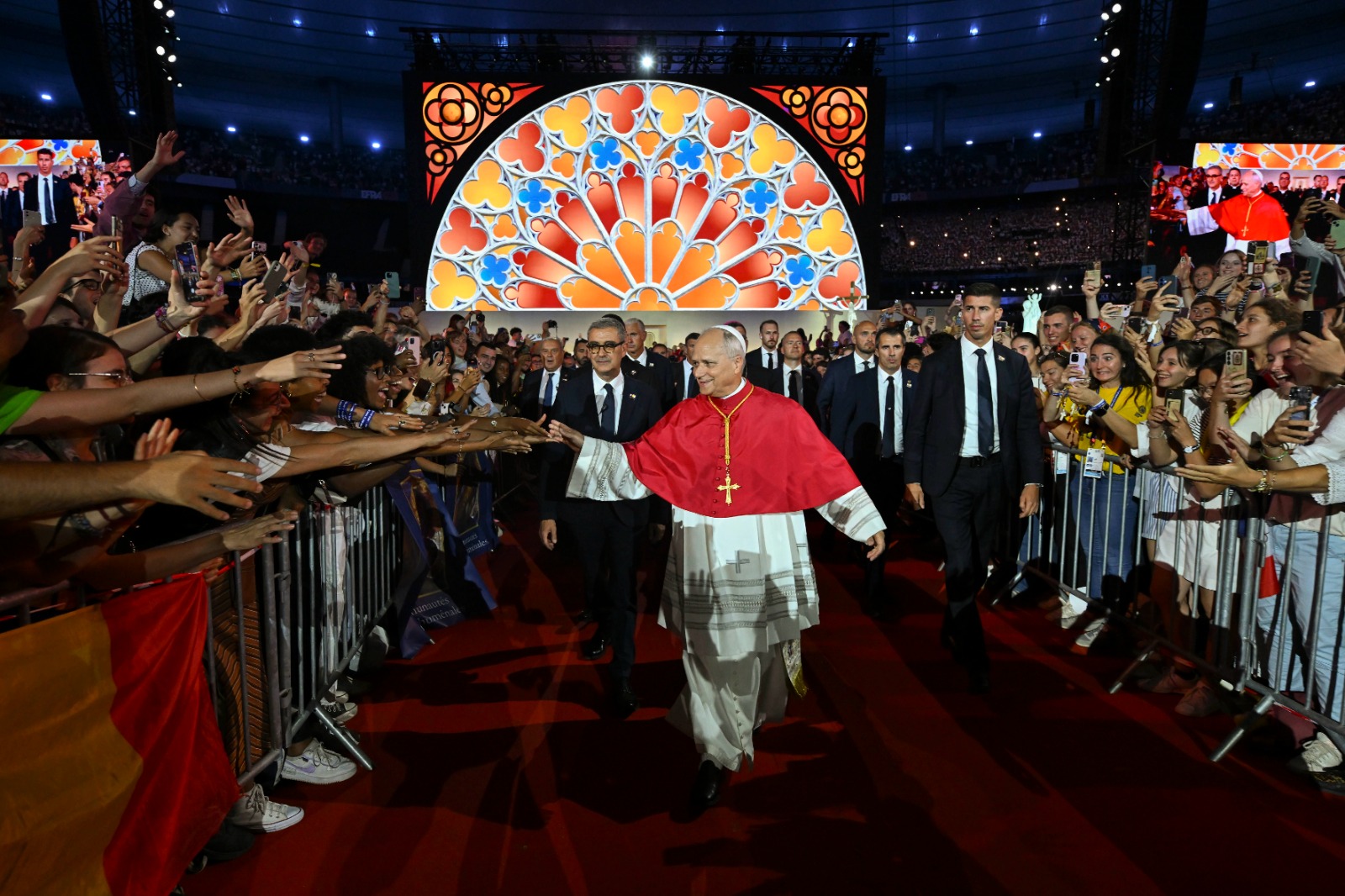
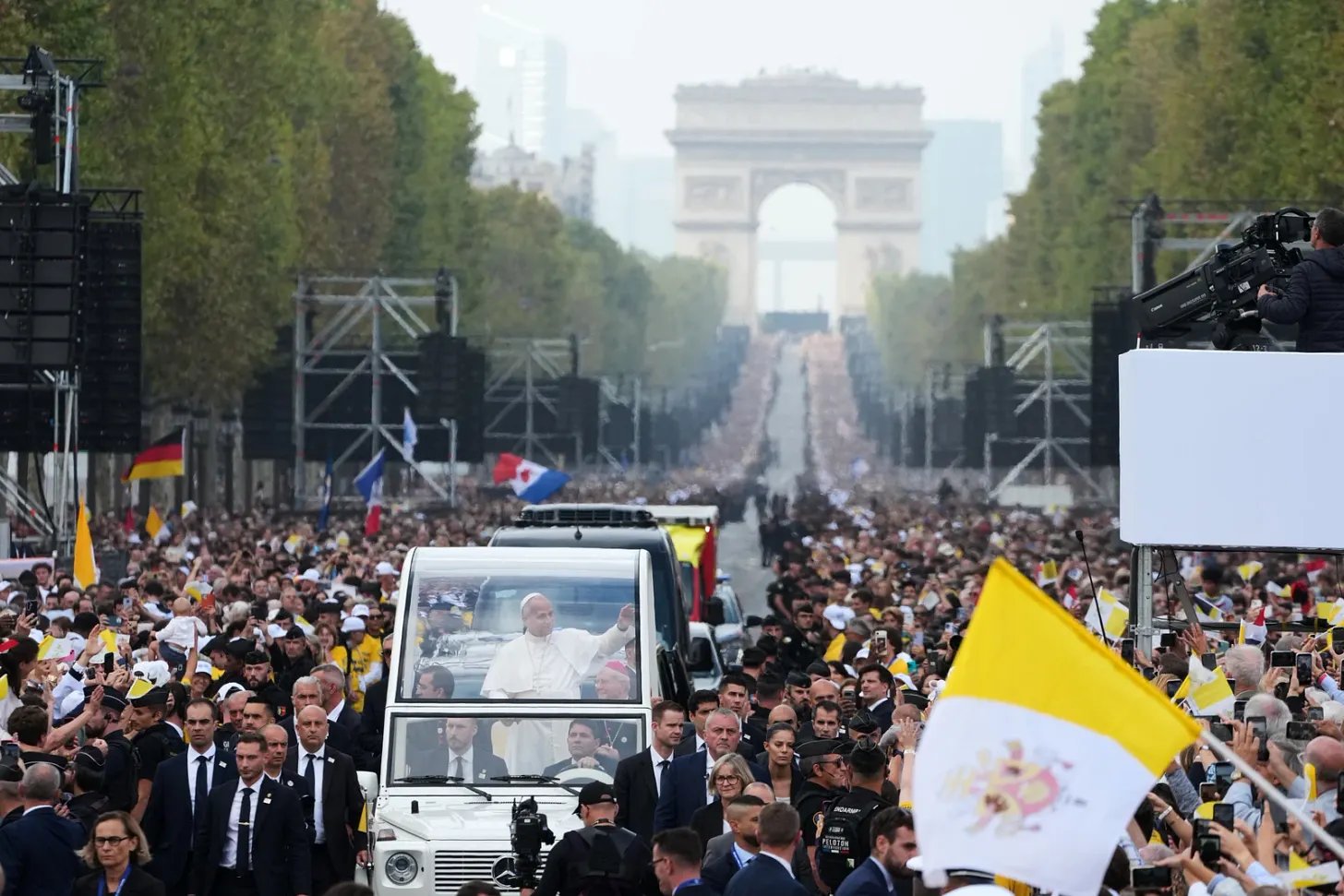
During his journeys, as well as at public events in and around the Vatican, one group of people is particularly noticeable: the people in suits and other security personnel who remain close to the Pope.
But who exactly are they? Are they members of the Italian police, the Vatican's security forces, the Swiss Guard, or private security officers?
The answer is: a combination of security forces, depending on where the Pope is.
The Pontifical Swiss Guard, founded in 1506, is the Vatican's best-known security corps. Its members are responsible for protecting the Pope and his residence, guarding entrances to Vatican City and accompanying the Pope on Apostolic Journeys.
Although they are most recognizable by their distinctive Renaissance-style uniforms, their security duties extend beyond what is visible to visitors.
The Gendarmerie Corps of Vatican City State also plays a central role. It is responsible for security and public order within Vatican City and works closely with the Swiss Guard.
Pope Leo XIV himself has described the Gendarmes' discreet presence as part of their mission to protect people and maintain security and order.
When the Pope travels abroad, however, Vatican security is only part of the picture. The security services of the host country also play an important role.
The Holy See has long worked with national security authorities during papal visits, with the precise arrangements depending on the country and the circumstances of the visit.
This means that the people around Pope Leo XIV during an international journey may belong to different security organizations. Some may be Vatican personnel, while others may be members of the host country's police or security services.
Security versus closeness to the people
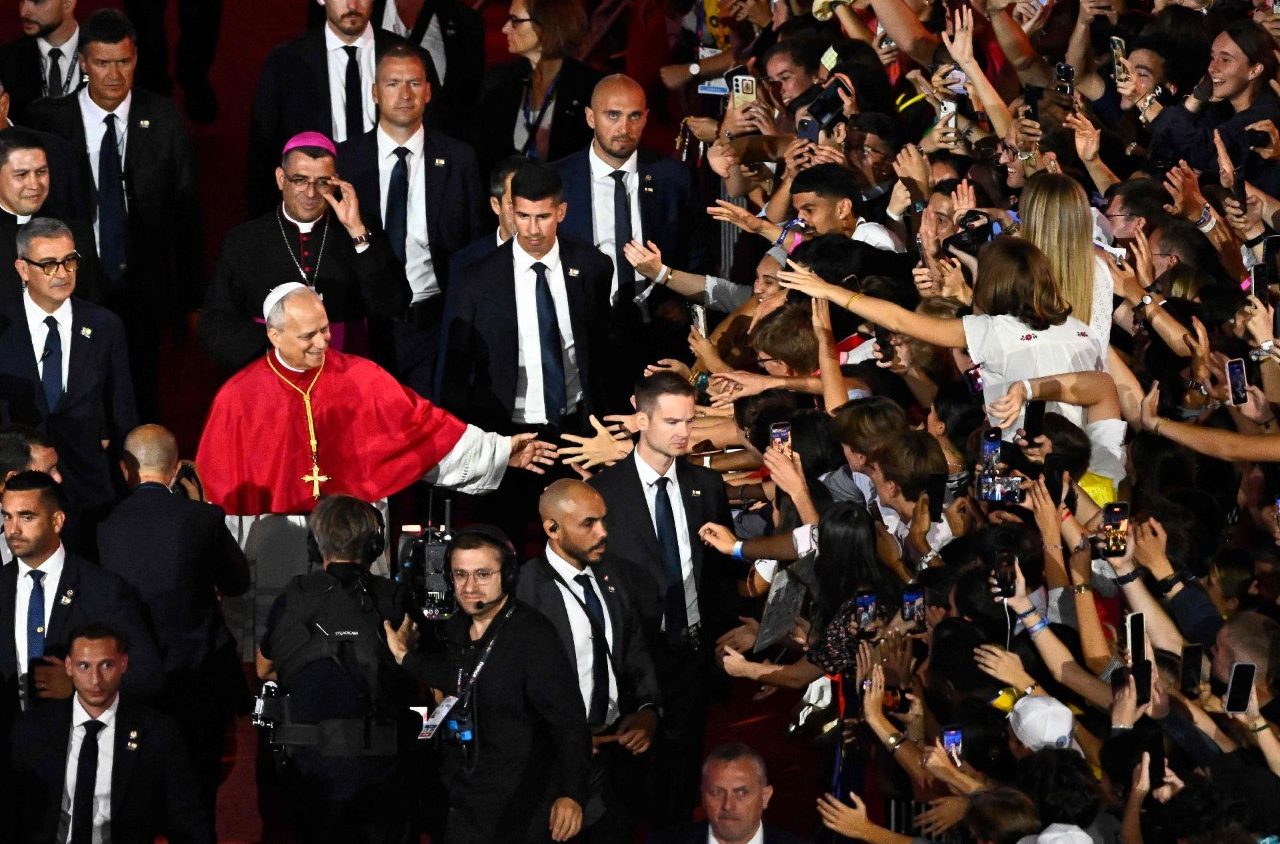
Protecting a Pope presents a particular challenge because the security teams must keep him safe while allowing him to maintain the personal contact with people that is central to his public ministry.
That balance became particularly evident during the pontificates of previous popes.
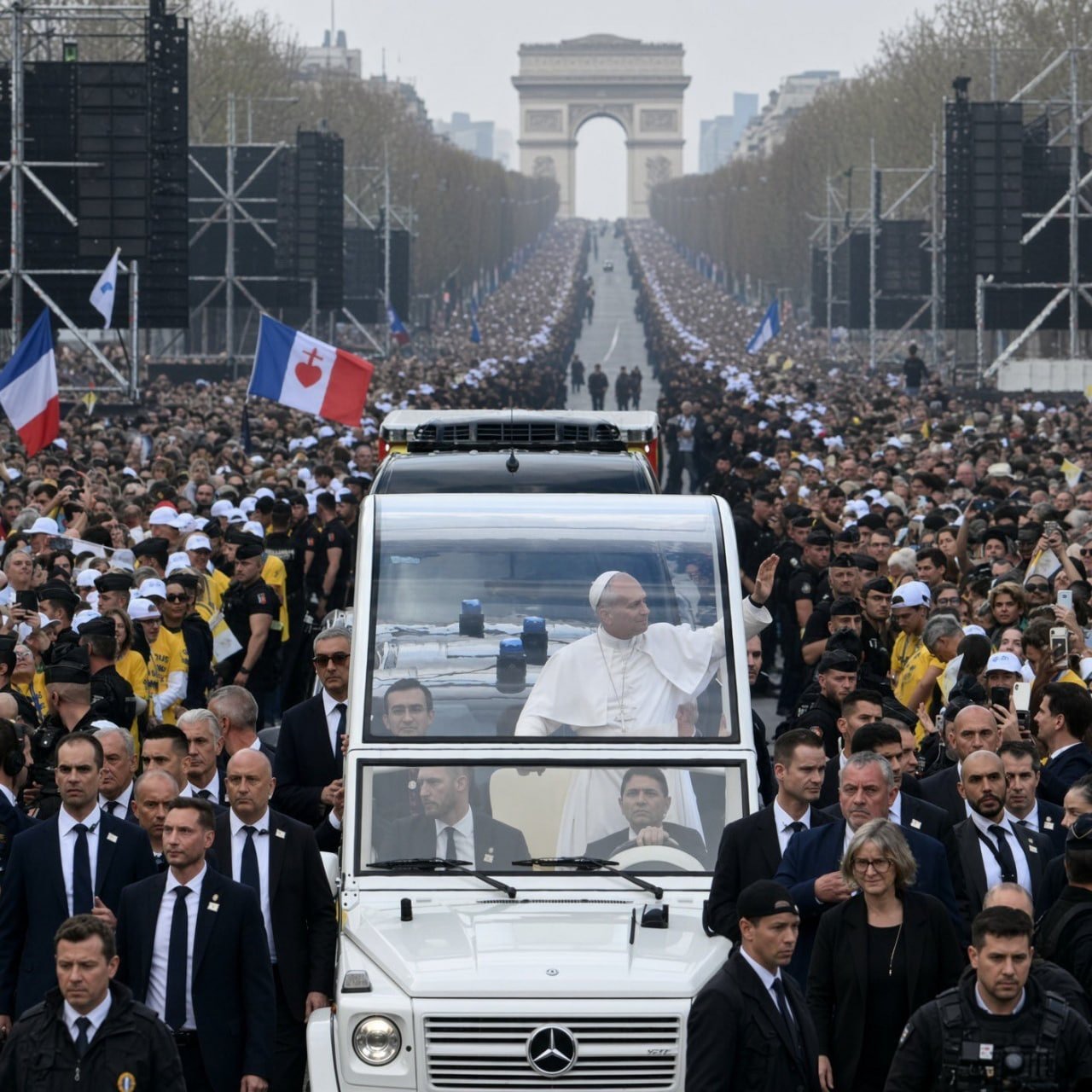
Following the 1981 assassination attempt against St. John Paul II, security around the Pope became significantly more severe. Yet papal visits have repeatedly demonstrated that the Pope's movements cannot always be predicted.
During St. John Paul II's 1995 visit to New York, for example, the Pope unexpectedly left his planned route after leaving St. Patrick's Cathedral and began greeting people in the crowd.
Such moments illustrate why papal security is not simply about keeping people away from the Pope. It also requires security personnel to anticipate the unexpected while allowing the Pope to interact with the public.
More than four decades after the 1981 attack, the basic challenge remains the same: protecting the Pope while preserving his ability to meet, greet and minister to people.
And during Pope Leo XIV's current journey through France, the men and women quietly moving around him are an important part of maintaining that balance.
Comments (0)
No comments yet. Be the first!
Leave a Comment
Your comment will be reviewed before publishing.